

Introduction:
Cloud computing has become a buzzword in the technology industry, and for good reason. It has revolutionized the way organizations store, manage, and access their data, making it more efficient and cost-effective. In this article, we will take an in-depth look at cloud computing, exploring its benefits, drawbacks, and future potential.
1. Definition of Cloud Computing:
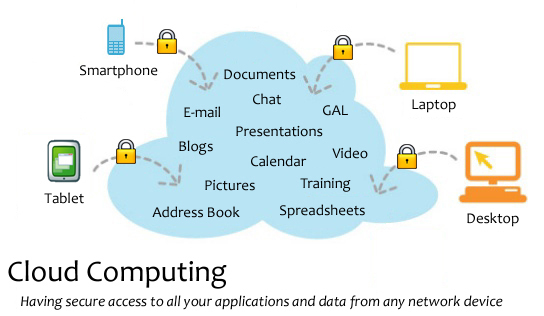
Cloud computing refers to the delivery of computing services—including servers, storage, databases, networking, software, analytics, and intelligence—over the internet to offer faster innovation, flexible resources, and economies of scale.
2. Types of Cloud Computing:
There are three main types of cloud computing: public, private, and hybrid. Public clouds are owned and operated by third-party service providers and are available to the general public. Private clouds are owned and operated by a single organization and are designed to meet the specific needs of that organization. Hybrid clouds combine the best of public and private clouds, allowing organizations to use the benefits of both.
3. Benefits of Cloud Computing:
Cloud computing provides numerous benefits, including increased agility, scalability, and cost savings. It also offers improved collaboration, making it easier for teams to work together and share information. In addition, it provides increased security, as cloud providers are able to invest in and implement the latest security technologies.
4. Drawbacks of Cloud Computing:
While cloud computing offers many benefits, there are also some drawbacks. One of the main drawbacks is the potential loss of control over data, as it is stored on servers owned by third-party providers. In addition, there may be concerns about privacy and security, as well as the potential for vendor lock-in.
5. Cloud Computing and Big Data:
Cloud computing and big data are two areas of technology that are closely related. The use of cloud computing allows organizations to store, manage, and analyze large amounts of data more efficiently, providing valuable insights and enabling organizations to make informed decisions.
6. Cloud Computing and Artificial Intelligence:
Cloud computing and artificial intelligence are also closely related. The use of cloud computing enables organizations to store, manage, and analyze large amounts of data, which is critical for the development and implementation of AI applications.
7. Cloud Computing and the Internet of Things:
Cloud computing and the Internet of Things (IoT) are also closely related. The use of cloud computing allows organizations to store, manage, and analyze the large amounts of data generated by IoT devices, providing valuable insights and enabling organizations to make informed decisions.
8. Cloud Computing and Cybersecurity:
Cloud computing and cybersecurity are also closely related. While the use of cloud computing offers increased security, there are also potential security risks, such as data breaches and unauthorized access to sensitive information. It is important for organizations to carefully consider the security risks associated with cloud computing and implement appropriate security measures.
9 The Future of Cloud Computing:
The future of cloud computing is bright, with many new and exciting developments on the horizon. One of the key trends is the use of multi-cloud and hybrid cloud solutions, which allow organizations to take advantage of the benefits of different cloud providers. Another trend is the use of edge computing, which enables organizations to process data closer to the source, reducing latency and improving efficiency.
Conclusion:
In conclusion, cloud computing has revolutionized the way organizations store, manage, and access their data. With its numerous benefits, including increased agility, scalability, and cost savings, it is a critical component of modern technology. Whether you are an IT professional or a business owner


